


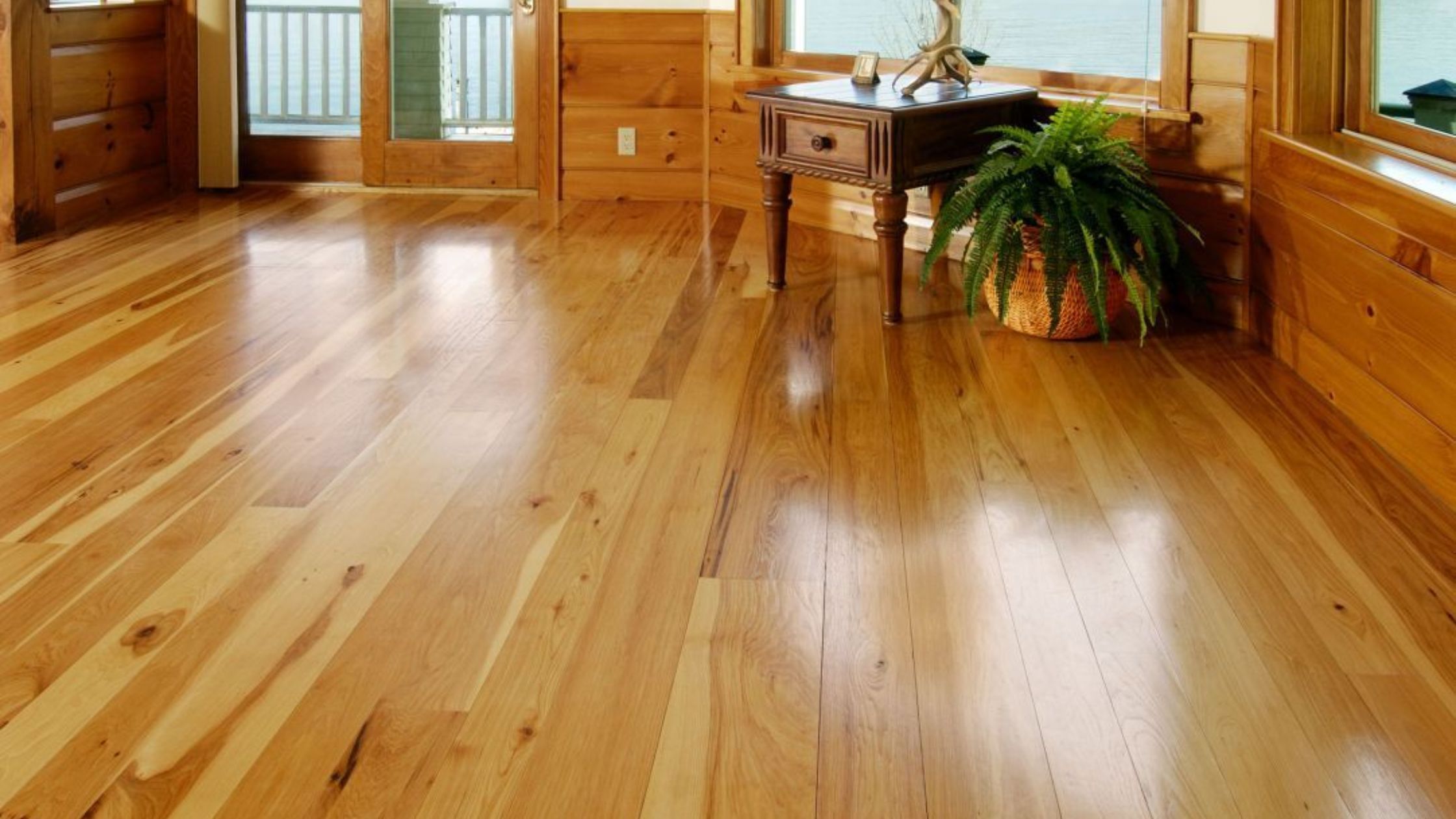
You can reduce hardwood scratches and wear by choosing an appropriate wood species and finish, controlling dirt and grit, protecting furniture contact points, and using rugs strategically in the busiest parts of the home. When selecting Hardwood Flooring, durability should be matched to the household's real traffic level rather than choosing solely by color or appearance.
No genuine hardwood floor is completely scratch-proof. The goal is to choose a floor that suits the household and reduce the everyday abrasion that causes premature wear.
What Makes Hardwood Better for High-Traffic Areas?
The best hardwood for an active home combines suitable wood hardness, a durable finish, proper installation, and realistic maintenance.
The site specifically recommends matching wood species to traffic levels and notes that harder woods are better suited to high-traffic spaces and homes with children or pets.
Important factors include:
Wood species
Board construction
Finish quality
Surface texture
Household activity
Pet and furniture use
Hardness matters, but it is only one part of overall durability.
Which Hardwood Flooring in Greenville Works Best for Busy Homes?
Choosing hardwood flooring in Greenville for a busy household should begin with how the room is actually used.
High-traffic areas may include:
Entryways
Hallways
Living rooms
Kitchens
Areas between exterior doors and main rooms
Paths used frequently by pets
A harder wood species can resist denting better, while a durable finish helps protect the surface from abrasion. The appropriate combination depends on the homeowner's priorities for appearance, maintenance, and wear.
What Causes Most Scratches on Hardwood Floors?
Many everyday scratches come from abrasive particles rather than dramatic accidents.
Common sources include:
Sand
Small stones
Outdoor dirt
Pet claws
Furniture movement
Hard shoe debris
Toys dragged across the floor
A small grain of grit trapped under a shoe or furniture leg can act like sandpaper as it moves across the finish.
This is why controlling debris is one of the simplest ways to protect hardwood.
How Can Entry Mats Reduce Hardwood Wear?
Entry mats capture dirt before it reaches the floor.
For best results, use mats at entrances where people regularly come in from outside. A second interior mat can catch particles that pass the first one.
Mats should also be:
Kept clean
Non-abrasive underneath
Compatible with the flooring finish
Large enough to be useful
A dirty mat can eventually become another source of grit, so it needs regular cleaning too.
Do Area Rugs Help in High-Traffic Hardwood Areas?
Yes. Rugs and runners can absorb wear in predictable traffic lanes.
They are particularly useful in:
Hallways
Entry areas
In front of kitchen work zones
Seating areas
Other repeated walking paths
Use rug pads suitable for hardwood so the backing does not scratch, stain, or react with the finish.
Rugs should also be moved or cleaned periodically so grit does not accumulate underneath.
How Can Furniture Scratch Hardwood Flooring?
Furniture can scratch or dent hardwood when weight is concentrated on a small contact point or when furniture is dragged instead of lifted.
Furniture protection can include:
Felt pads beneath legs
Larger floor protectors under heavy pieces
Regular inspection of worn pads
Lifting furniture when moving it
Even a high-quality finish cannot reliably resist the force of a heavy chair or table leg being dragged across grit.
How Can Pet Owners Protect Hardwood?
Pet claws can create surface marks, especially when dogs accelerate, turn sharply, or repeatedly travel through the same areas.
Helpful steps include:
Keep nails properly trimmed
Use runners in major pet traffic paths
Clean grit brought in on paws
Wipe moisture from wet paws
Choose harder wood when appropriate
Pets do not automatically make hardwood impractical. They simply make product selection and maintenance more important.
Does Wood Species Affect Scratch Resistance?
Wood hardness affects how easily the actual wood dents, but it should not be confused with the scratch resistance of the finish.
A harder species can be helpful in hardwood flooring for high-traffic areas, especially where dropped objects, pets, or furniture create impact risk.
However, surface scratches often occur in the finish before they reach the wood itself. Both species and finish should therefore be considered.
Does the Hardwood Finish Matter?
Yes. The finish creates the exposed surface that receives everyday foot traffic, dirt, and minor abrasion.
The site's hardwood guidance notes that appropriate sealants can provide an additional level of protection.
A quality finish can help the flooring resist:
Surface wear
Light abrasion
Staining
Minor everyday contact
No finish lasts forever. High-traffic lanes may eventually require professional maintenance or refinishing depending on the flooring system.
Are Textured Hardwood Floors Better at Hiding Scratches?
They can be. Wire-brushed, distressed, or otherwise textured surfaces may make minor wear less visually obvious than perfectly smooth, high-gloss flooring.
Appearance should still be chosen based on personal preference, but homeowners concerned about every small surface mark may find textured or lower-sheen finishes easier to live with.
The floor is not necessarily harder. The wear is simply less noticeable.
How Should Hardwood Be Cleaned in High-Traffic Areas?
Frequent removal of dry grit is important because small particles can scratch the finish as people walk over them.
A practical routine includes:
Remove loose dirt regularly.
Use cleaning methods approved for the specific floor.
Clean spills promptly.
Avoid leaving excess water on wood.
Keep entry mats and rugs clean.
Inspect furniture pads periodically.
Always follow the flooring manufacturer's care guidance because finishes and products can differ.
Can Shoes Cause Premature Hardwood Wear?
Yes. Shoes can bring in grit, stones, and other abrasive particles from outside.
High heels can also concentrate significant force into a small area, increasing the chance of dents.
Homes do not have to become shoe-free to preserve hardwood, but controlling outdoor debris can meaningfully reduce everyday abrasion.
Can You Make Hardwood Completely Scratch-Resistant?
No. Scratch-resistant hardwood floors should be understood as floors that are more resistant to normal wear, not floors that cannot be scratched.
Hardwood is a natural material. Sharp objects, grit, furniture, pet claws, and heavy impacts can leave marks.
Good product selection reduces risk, while good maintenance reduces how frequently those marks occur.
When Should Worn Hardwood Be Professionally Evaluated?
Evaluation may be useful when high-traffic sections become visibly dull, scratched, or worn while surrounding areas remain in better condition.
Professional attention is especially worthwhile if:
The finish appears worn through
Deep scratches reach the wood
Boards are damaged
Large traffic lanes have become dull
Moisture damage is also visible
Addressing wear before extensive damage develops can preserve more of the original floor.
FAQs About High-Traffic Hardwood Floors
Do darker hardwood floors show scratches more easily?
They can. Scratches that reveal lighter wood or finish layers beneath a dark surface may create greater visual contrast.
Can office chairs damage hardwood?
Yes. Repeated rolling can create concentrated wear, especially if grit becomes trapped under the wheels. A hardwood-safe chair mat may help.
Should rugs be rotated on hardwood floors?
Rotating rugs can help distribute wear and light exposure more evenly, particularly in rooms receiving strong sunlight.
Can sunlight make one hardwood area look more worn than another?
Yes. UV exposure can gradually change wood color, making exposed areas look different from flooring protected by rugs or furniture.
Are engineered hardwood floors automatically more scratch-resistant?
No. Engineered construction improves dimensional stability, but surface scratch resistance depends largely on the wear layer, finish, and product design.
Protect the Finish Before High-Traffic Wear Becomes Obvious
Reducing hardwood wear requires a combination of good product selection and daily prevention. Harder species, suitable finishes, clean entry areas, rugs, furniture pads, and regular grit removal can all extend the appearance of a busy hardwood floor.
For homeowners choosing hardwood flooring in Greenville, FLOORS can help match hardwood species, finishes, and installation options to the traffic level of the home. To discuss flooring for an active household, contact us and review the available options.


