


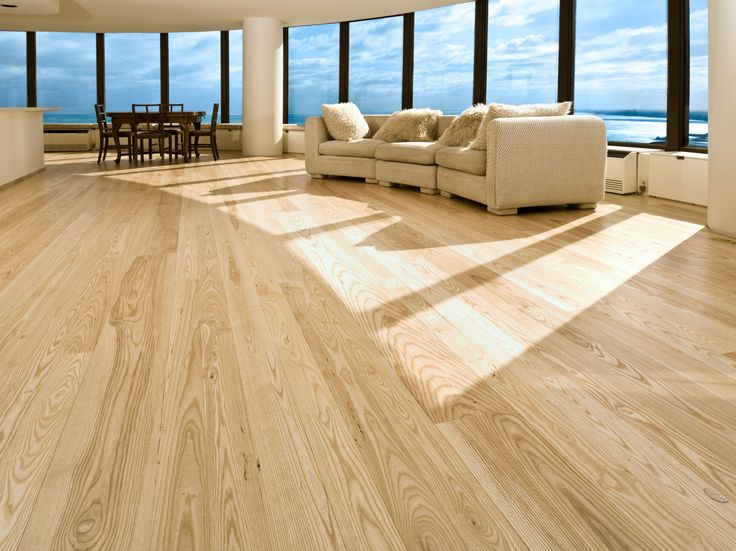
Choosing between solid and engineered wood planks depends on your foundation type, the room location, and your tolerance for seasonal humidity swings. When shopping for hardwood flooring greenville sc homeowners must account for both summer mugginess and winter heating dry spells to ensure their investment remains flat, stable, and attractive over the long term.
Selecting the wrong plank construction can result in cupping, gapping, or moisture-related floor damage. This comprehensive guide outlines the performance, structural properties, and practical distinctions between solid and engineered wood so you can make an informed decision for your Upstate property.
Is Solid or Engineered Hardwood Better for Greenville Homes?
Engineered hardwood is the more versatile and dependable choice for the majority of modern Greenville homes because it resists the expansion and contraction caused by regional humidity shifts and installs easily over concrete slab foundations. Solid hardwood remains an exceptional option for traditional homes with conditioned crawl spaces and wood subfloors, particularly when homeowners prioritize a classic floor that can be sanded down multiple times across generations.
Both materials feature genuine, natural timber on the surface, meaning they offer identical visual character and warmth once installed. However, their internal construction creates very different reactions to moisture, ambient temperature, and subfloor conditions.
To determine which material fits your property best, you should examine four primary factors:
The architectural foundation beneath your living space (concrete slab versus wood joists over a crawl space)
The floor level of the room (upper levels, ground level, or below-grade basements)
Your home's ability to maintain stable indoor humidity throughout the year
The desired plank width and architectural style you want to achieve
What Is the Structural Difference Between Solid and Engineered Planks?
The primary structural difference between solid and engineered planks is how the core beneath the surface is manufactured. While both options showcase authentic natural wood when viewed from above, the internal structure dictates how each board reacts to physical pressure and environmental moisture.
Understanding these structural mechanics helps clarify why one style might excel in a certain room where another could struggle.
Construction of Solid Wood Planks
Solid wood flooring is milled from a single, continuous piece of timber, typically cut to three-quarters of an inch in thickness. The planks are cut with precision tongue-and-groove profiles along the sides and ends to lock adjacent boards into place during installation.
Because each plank consists of a single piece of natural lumber, the wood grain runs in a uniform, parallel direction throughout the entire board. When relative humidity levels rise, the cellular structure of the timber absorbs ambient moisture and expands outward across its width.
Conversely, when the surrounding air turns dry, the wood releases moisture and shrinks. This continuous expansion and contraction cycle makes solid planks highly sensitive to indoor atmospheric shifts.
Construction of Engineered Wood Planks
Engineered wood planks consist of a top surface layer of real hardwood bonded under high pressure to a resilient multi-ply core. The top veneer, known in the flooring industry as the wear layer, is genuine timber such as Oak, Hickory, or Maple.
Beneath the wear layer lies a base constructed of several cross-laminated layers of high-grade plywood or high-density fiberboard. Each individual ply layer runs perpendicular to the layer above and below it.
This cross-grain configuration creates dimensional stability. Because wood naturally expands across the grain rather than along its length, the alternating layers counterbalance each other and prevent the plank from expanding or contracting significantly. The result is a floor that retains the appearance of traditional timber while resisting structural movement.
How Does the Upstate Climate Affect Wood Floors?
Greenville experiences a humid subtropical climate with hot, moist summers, moderate transitional seasons, and cool winters. Outdoor relative humidity frequently climbs above 70 to 80 percent from late spring through early autumn, followed by drier indoor air during winter heating cycles.
These climate swings produce distinct physical pressures on residential flooring across the Upstate.
Summer Humidity Spikes
During peak summer months, warm, moisture-laden air routinely enters living spaces through open exterior doors, ventilation, and windows. Solid wood planks readily absorb this ambient moisture from the air.
When planks take on moisture, they expand outward. If the boards do not have adequate expansion space along the perimeter of the room, the edges press firmly against one another and push upward. This produces a raised edge condition known as cupping.
Winter Heating Cycles
When temperatures drop in November and December, central heating systems, heat pumps, and furnaces run continuously. This artificial heat quickly dries out indoor air, often lowering residential relative humidity below 30 percent.
Dry conditions cause natural timber to lose moisture rapidly. As solid planks shrink across their width, small gaps often open between adjacent boards. While these seasonal gaps typically close again when warm weather returns, wider planks can experience noticeable seasonal spacing.
Crawl Space and Concrete Foundation Moisture Dynamics
Many older properties and historic homes in the Upstate sit on raised crawl space foundations. Unconditioned or poorly ventilated crawl spaces often trap ground dampness, generating vapor pressure that pushes upward against subfloors and flooring materials.
In newer residential developments throughout the Greenville area, poured concrete slab foundations are common. Concrete is an inherently porous material that pulls moisture from the soil through capillary action.
Placing solid hardwood directly against concrete exposes the bottom of the wood to persistent vapor emissions, leading to board warping and adhesive failure.
What Are the Key Differences in a Hardwood Flooring Comparison?
A direct hardwood flooring comparison demonstrates that solid and engineered planks each offer unique performance strengths depending on where and how they are installed. Evaluating these factors side by side clarifies which material matches your lifestyle and budget.
Moisture Resistance and Humidity Stability
Engineered planks offer superior resistance to seasonal swelling, crowning, and cupping. The cross-laminated core stabilizes the plank, making it an ideal defense against the humidity swings characteristic of the local climate.
Solid planks demand strict indoor climate management. Homeowners installing solid timber should plan to maintain indoor relative humidity between 35 and 55 percent throughout every season.
This typically requires running air conditioning consistently during the summer and operating whole-home humidifiers or supplemental dehumidifiers during extreme weather shifts.
Subfloor Compatibility and Foundation Types
Subfloor construction is often the deciding factor when choosing between solid versus engineered hardwood:
Plywood or OSB Subfloors: Both solid and engineered hardwood install smoothly over wooden subfloors using standard blind-nailing, stapling, or full-spread adhesive methods.
Poured Concrete Slabs: Engineered wood can be glued directly to dry concrete slabs using a moisture-barrier adhesive, or floated over an acoustic underlayment membrane. Solid hardwood cannot be nailed directly into concrete and requires an added plywood subfloor system that increases overall floor height.
Below-Grade Basements: Solid hardwood should never be installed in basements due to hydrostatic moisture risks. Engineered planks, when paired with an approved vapor retarder, can be safely installed below grade.
Sanding and Refinishing Capacity
Solid hardwood delivers unmatched long-term refinishing versatility. Because the plank is solid timber through its entire thickness, it can be sanded down, re-stained, and sealed between four and eight times over its lifespan.
The refinishing potential of engineered hardwood depends entirely on the thickness of its wear layer:
1mm to 2mm Wear Layer: Cannot be fully sanded down with heavy machinery; suitable only for light buffing and recoating, lasting roughly 20 to 30 years.
3mm to 4mm Wear Layer: Can be professionally sanded and re-stained two to three times, providing 40 to 60 years of dependable service.
5mm to 6mm Wear Layer: Can be sanded as many times as traditional solid planks, easily providing 75 to 80 or more years of performance.
Plank Width and Modern Design Trends
Wider planks (measuring five inches to eight inches or more) are increasingly popular in modern home design. However, plank width dramatically influences board stability.
Because wide solid boards possess a larger surface area of continuous grain, they expand and contract substantially more than narrow strips. For wide-plank installations, engineered wood flooring Greenville homes utilize provides structural stability that keeps seams tight and boards flat.
Solid timber is best suited for traditional narrow-strip widths between two and one-quarter inches and four inches.
Long-Term Value and Lifespan
Both wood flooring styles deliver excellent resale value and strong appeal to buyers in the local real estate market.
A well-maintained solid hardwood floor can easily last more than a century, making it an asset that spans generations. High-quality engineered planks with substantial wear layers offer comparable day-to-day durability, premium acoustics, and identical surface appeal during home appraisals.
Solid vs Engineered Hardwood: Head-to-Head Comparison
The table below summarizes the practical differences between solid and engineered wood to help you evaluate which option aligns with your home layout:
Performance Feature | Solid Hardwood Flooring | Engineered Hardwood Flooring |
Material Composition | 100% single piece of natural lumber | Real hardwood wear layer over cross-ply core |
Standard Plank Thickness | Typically 3/4 inch | Ranging from 3/8 inch to 3/4 inch |
Humidity Resistance | Moderate; sensitive to indoor climate shifts | High; cross-ply core resists warping and gapping |
Subfloor Suitability | Wooden subfloors (plywood or OSB) | Concrete slabs, plywood, OSB, and acoustic pads |
Installation Levels | Ground floor and upper levels | Basements, ground floor, and upper levels |
Fastening Methods | Blind nail-down or staple-down | Glue-down, nail, staple, or floating click-lock |
Refinishing Cycles | 4 to 8 full sandings | 1 to 4 sandings (depends on wear layer thickness) |
Average Lifespan | 75 to 100+ years | 25 to 80+ years (based on construction quality) |
Recommended Widths | 2.25 inches to 4 inches | 5 inches to 8+ inches (wide-plank formats) |
Which Rooms Work Best for Hardwood Flooring Greenville SC Installations?
Rooms with stable indoor humidity and minimal plumbing exposure work best for hardwood flooring greenville sc installations, although engineered options expand your choices into areas with concrete subfloors or below-grade settings. Aligning plank construction with the specific moisture conditions of each room prevents floor failure down the road.
Evaluating daily foot traffic and moisture exposure helps ensure each room receives the appropriate flooring material.
Living Rooms, Dining Rooms, and Bedrooms
Living rooms, dining spaces, and bedrooms provide stable, controlled environments that welcome either solid or engineered products.
If your home has a conventional crawl space with an OSB or plywood subfloor, solid wood adds timeless appeal and traditional underfoot firmness. If you prefer the look of wide-format French oak or modern wide planks, engineered flooring prevents seasonal seam separation while maintaining a clean look across large open floor plans.
Kitchens and Half-Baths
Kitchens and powder rooms encounter occasional spills, appliance condensation, and frequent foot traffic.
Engineered hardwood performs better in kitchens and powder rooms because its core resists sudden changes in surface moisture and temperature. While neither floor is fully waterproof, engineered wood handles occasional kitchen humidity spikes without cupping.
To protect wood surfaces in kitchens:
Place breathable, non-rubber rugs in front of dishwashers, sinks, and refrigerators.
Clean up spills immediately so moisture cannot pool along board seams.
Choose dense domestic hardwoods such as White Oak or Hickory for maximum dent resistance.
Basements and Slab-on-Grade Additions
Finished basements, converted garages, and slab-on-grade ground-floor additions require engineered wood.
Solid hardwood should never be installed below ground level or glued directly to a concrete foundation. Ground moisture and foundation condensation will inevitably penetrate solid timber, causing boards to warp, buckle, or loosen over time. Engineered planks installed over an approved vapor barrier adhesive or premium floating underlayment handle slab conditions reliably.
What Practical Factors Should You Evaluate Before Buying?
Before selecting your flooring, consider how your daily routine, property structure, and ownership plans intersect with the physical demands of natural wood.
Foundation and Subfloor Inspection
Checking your foundation type before selecting materials helps you avoid costly subfloor preparation later:
Slab Foundations: Choose engineered wood to allow direct glue-down or floating installations without building an elevated plywood subfloor.
Crawl Spaces: Inspect the crawl space for a clean ground vapor barrier and working vents. Solid or engineered wood can be installed over wood subfloors once subfloor moisture levels test within manufacturer tolerances.
Expected Length of Homeownership
Your anticipated duration in the home helps guide your investment:
Long-Term or Generational Homes (15+ Years): If you plan to remain in your home for several decades, solid hardwood or premium thick-wear-layer engineered hardwood offers the best value because it can be sanded and refinished whenever interior trends change.
Mid-Term Ownership (5 to 10 Years): Mid-tier engineered wood delivers authentic hardwood beauty, excellent scratch resistance, and immediate resale appeal at an accessible installed price point.
Household Activity and Pet Traffic
Scratch resistance is determined by the species hardness and factory-applied finish, not by whether the board is solid or engineered.
Homes with active dogs, busy children, and outdoor gear benefit from dense hardwoods with prominent grain patterns:
White Oak: Highly stable, durable, and naturally resistant to minor moisture exposure.
Hickory: One of the hardest domestic wood species available, providing exceptional resistance to pet claws and dropped objects.
Red Oak: A traditional choice with pronounced grain lines that naturally disguise everyday surface wear.
Finishes: Matte and wire-brushed finishes conceal everyday scuffs far better than high-gloss or smooth dark finishes.
Frequently Asked Questions
Can you install solid hardwood directly over a concrete slab?
No, you should never nail or glue solid hardwood directly to a concrete slab. Concrete releases moisture vapor that causes solid wood boards to cup, buckle, and separate from the adhesive. Installing solid hardwood over concrete requires adding an elevated plywood subfloor system with a dedicated moisture retarder, which raises overall floor height.
How many times can engineered hardwood be refinished?
The number of times you can refinish engineered hardwood depends entirely on the thickness of its top wear layer. Boards with a thin 1mm to 2mm wear layer cannot be machine-sanded and should only be screened and recoated. Boards with a 3mm to 4mm wear layer can be sanded two to three times, while thick 5mm to 6mm wear layers can be refinished up to four or five times.
Does engineered wood look as natural as solid timber?
Yes, engineered hardwood looks and feels identical to solid wood once installed because the visible surface is real timber. Because engineered planks use authentic wood veneers cut from genuine logs, they feature the exact same natural grain variations, knots, and color tones found in traditional solid wood boards.
How does indoor humidity affect wood floor expansion in Greenville?
High summer humidity causes wood floors to absorb atmospheric moisture and expand across their width, which can cause board edges to cup if expansion gaps are insufficient. In contrast, dry winter heating draws moisture out of the wood, causing planks to contract and create small gaps between adjacent boards. Maintaining indoor relative humidity between 35 and 55 percent keeps wood movement to a minimum.
Which wood flooring handles dog claws and heavy foot traffic better?
Surface dent and scratch resistance depends on the Janka hardness rating of the wood species and the quality of the protective finish rather than the core construction. Hard species such as Hickory, White Oak, and Hard Maple resist pet claws and heavy foot traffic better than softer woods like Walnut, Cherry, or Pine, whether the plank is solid or engineered.
Making the Right Flooring Choice for Your Upstate Home
Selecting the right hardwood flooring greenville sc homeowners count on requires matching your home foundation, room moisture levels, and long-term design goals. Engineered wood planks deliver exceptional dimensional stability for slab-built homes, wide-plank aesthetics, and ground-level spaces, while solid wood planks remain an enduring classic for crawl-space foundations with controlled humidity.
Local experience makes all the difference when navigating regional humidity, proper subfloor preparation, and flawless installation. Backed by over two decades of dedicated flooring expertise and an extensive record of positive customer reviews from homeowners across the Upstate, Floors provides complete project guidance, from product selection to professional installation. When you are ready to evaluate hardwood samples or schedule a professional in-home estimate, contact us to begin your flooring project with confidence.


